
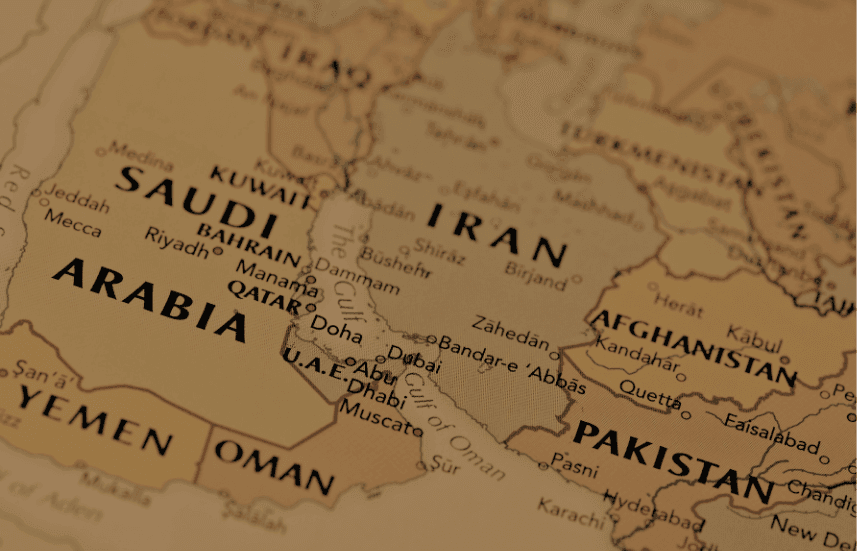
The US–Israel military operation against Iran (February 2026) and Iran’s retaliatory activities including closure of the Strait of Hormuz have triggered a large energy supply shock for India, the world’s third-largest oil importer. This paper provides a bottom-up fiscal accounting of the shock’s impact on the Indian central government’s budget for FY 2025–26 and FY 2026–27. We trace the transmission through five channels: higher fertiliser subsidies (costlier domestic gas, costlier urea imports, costlier DAP imports), higher LPG subsidies, foregone excise rev- enue from the Special Additional Excise Duty (SAED) cut on petrol and diesel, a modest customs duty gain, and foregone petroleum-sector dividends. Under our primary scenario (war through June 2026), the additional fiscal deficit in FY 2026– 27 is Rs. 74,087 crore, pushing the deficit from 4.30% to 4.49% of GDP. In the worst case (war through December), the deficit reaches 4.99% of GDP, a deviation of 0.69 percentage points from the Budget target.
Subscribe to our newsletter
Subscribe to our newsletter
©2024-25 Isaac Centre for Public Policy
