

Filter by
Sort By
Macro & Public Finance
by Anusha Sharma, Dhruv Padam, Garvita Yadav, Shyan Sahdev, Tanika Ray
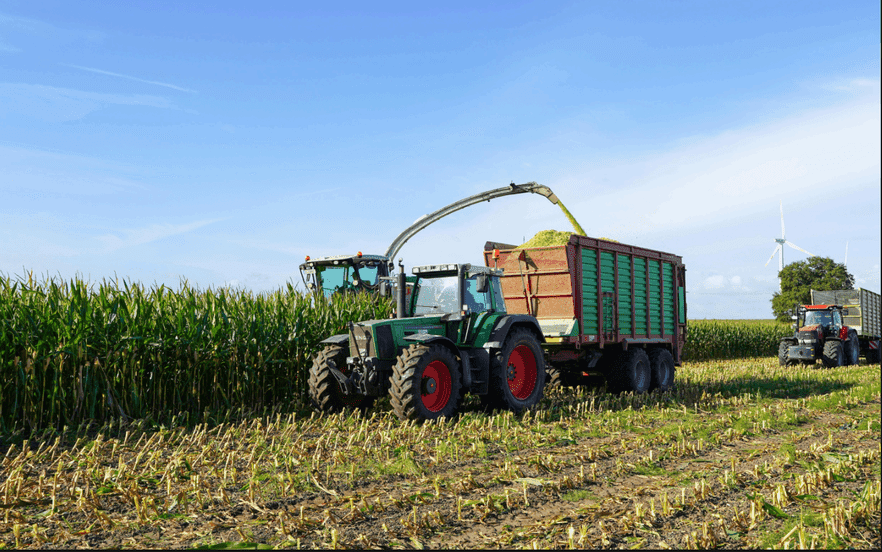
This paper evaluates India’s E20 ethanol mandate as a tool to hedge against oil import risks by expanding domestic biofuel production. It traces the capacity growth from 450 crore litres in 2014 to over 1,800 crore litres in 2025, driven by sugarcane and grain feedstock shifts. Indeed, Ethanol blending reduces oil dependence, supports rural incomes, and cuts emissions. However, there exists a trade-off between fuel use and food supply, linking ethanol expansion to rising sugar prices and agricultural pressures limiting its sustainability. To overcome this, this essay recommends dynamic feedstock allocation, investment in non-food biomass ethanol, and formal recognition of ethanol in national energy accounting in order to sustain the steady progress.
09 October, 2025
Subscribe to our newsletter
Subscribe to our newsletter
©2024-25 Isaac Centre for Public Policy